


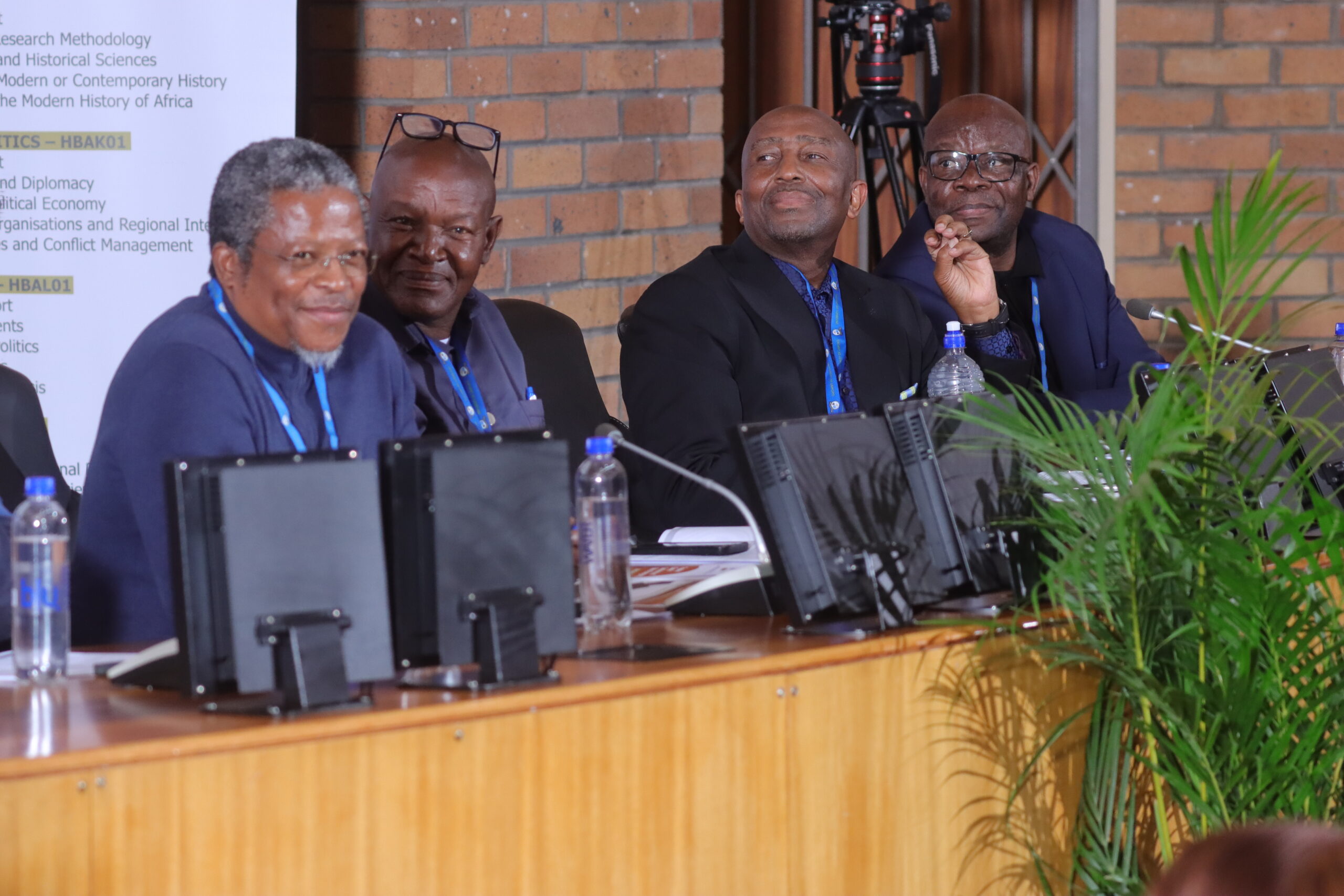
Prominent activists from the 1980s resistance era — from left: Dr Martin Sehlapelo, Elleck Nchabeleng, Ike Motloung, and Mpho Nchabeleng, shared personal experiences of student activism during the State of Emergency. Photos: Forgive Hlungwani
By Hunadi Motlhala – ululpublications@ul.ac.za
The University of Limpopo (UL) remains a vital centre for national dialogue, offering a platform for policymakers, scholars, students, activists, and communities to engage with issues shaping South Africa’s political and social landscape
In its latest engagement, UL hosted the Freedom Charter and State of Emergency Conference, commemorating 70 years since the adoption of the Freedom Charter in 1955 and 40 years since the declaration of the 1985 State of Emergency. This two-day event brought together prominent academics, student researchers, and alumni activists for an intergenerational exchange on justice, identity, and South Africa’s ongoing struggle for liberation.
The Freedom Charter, adopted at the Congress of the People in Kliptown, is a pivotal document from the liberation struggle. It articulated a vision for a democratic, non-racial, and just society, asserting that “South Africa belongs to all who live in it.” Its calls for equality, land redistribution, workers’ rights, and universal education became foundational principles for the anti-apartheid movement.
The State of Emergency, declared in 1985 by the apartheid government, marked a critical moment in the struggle. It was characterised by mass resistance, heightened state repression, and widespread human rights violations, along with a surge in grassroots mobilisation that defined the final decade of apartheid.
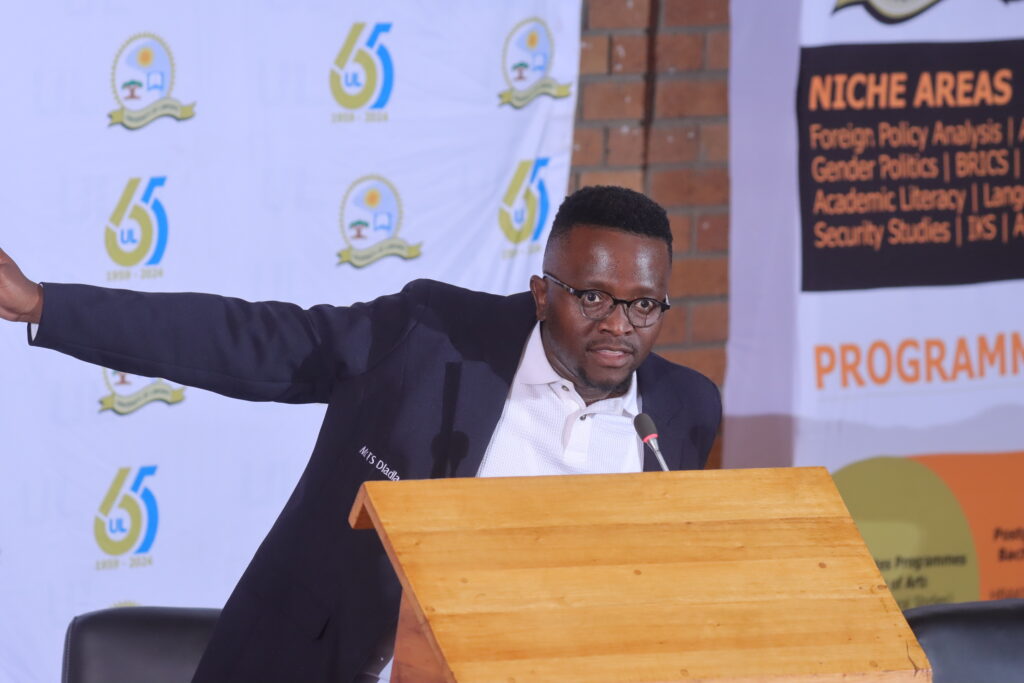
Conference chairperson and UL Philosophy lecturer, Thabang Dladla, highlights the need to revisit post-apartheid history and amplify marginalised voices.
Organised by UL’s Department of Cultural and Political Studies in collaboration with the Department of Social Sciences and Economic Management Education, the conference focused on the theme: “The Impact on South Africa’s Transition and Post-1994 Politics”. Conference chairperson and Philosophy lecturer, Thabang Dladla, emphasised the importance of examining the historical formation of the post-apartheid nation while elevating voices often marginalised. “This conference provided a platform for those who lived through the struggle and continue to bear its consequences,” he stated.
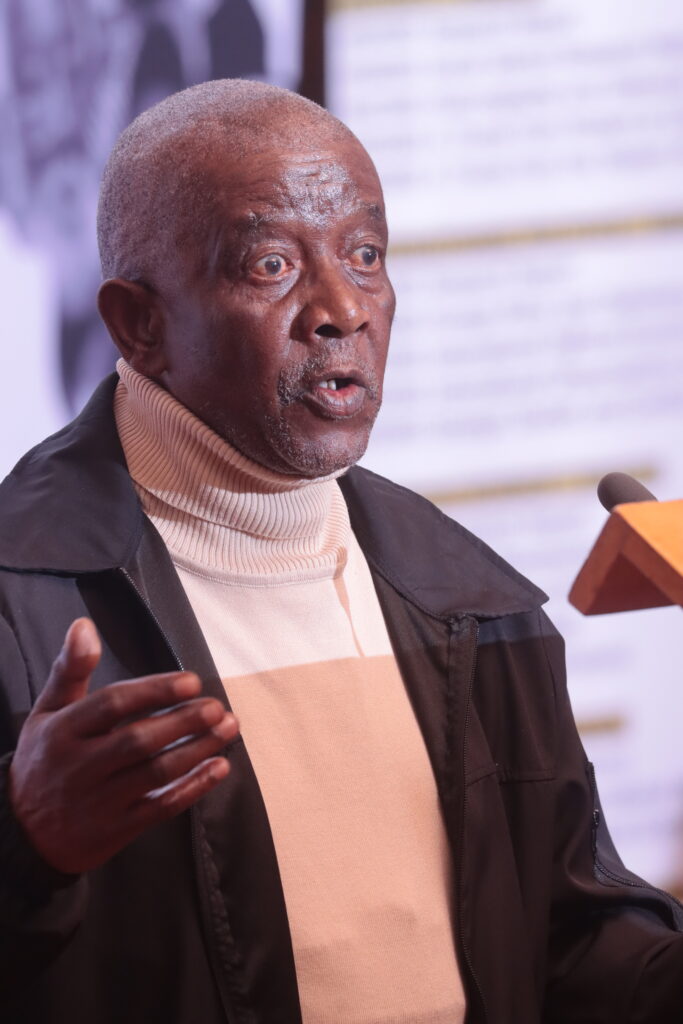
Dr Ayesha Omar, a British Academy International Fellow, and Steve Lebelo, an independent historian, shared insights at the Freedom Charter and State of Emergency Conference, marking 70 years since the adoption of the Freedom Charter in 1955 and 40 years since the 1985 State of Emergency.
Dr Ayesha Omar, a British Academy International Fellow, described the conference as a crucial space for reflection. “Though the Freedom Charter is 70 years old, its messages about dignity, land, and justice remain profoundly relevant,” she noted.
Independent historian Steve Lebelo added, “These events were not merely political as they continue to shape our understanding of justice, power, and rights.”
Student voices were central to the event. Monini Sarah, an Honours student in Communication Studies, remarked, “I wanted my research to reflect how the past continues to influence our lives. The university gave me that platform.”
Meki Masha, an Honours student in Political Studies, reflected, “While we didn’t experience apartheid, we live with its consequences. This conference reminded me that history is still in the making.”
Prominent activists from the 1980s resistance era, including Elleck Nchabeleng, Rev Mautji Pataki, and Dr Martin Sehlapelo, shared personal experiences of student activism during the State of Emergency. Discussions covered topics such as land and race, social exclusion, gender and resistance, curriculum transformation, and the politics of belonging, all grounded in the question of how the Freedom Charter’s vision can continue to guide South Africa’s future.
In closing, Dladla expressed hope that the conversations would inspire ongoing collaboration between academia and the community, rooted in African thought and liberation history. “The Freedom Charter envisioned a just, equal society. That vision remains unfinished, and UL is poised to help lead the way forward.”