


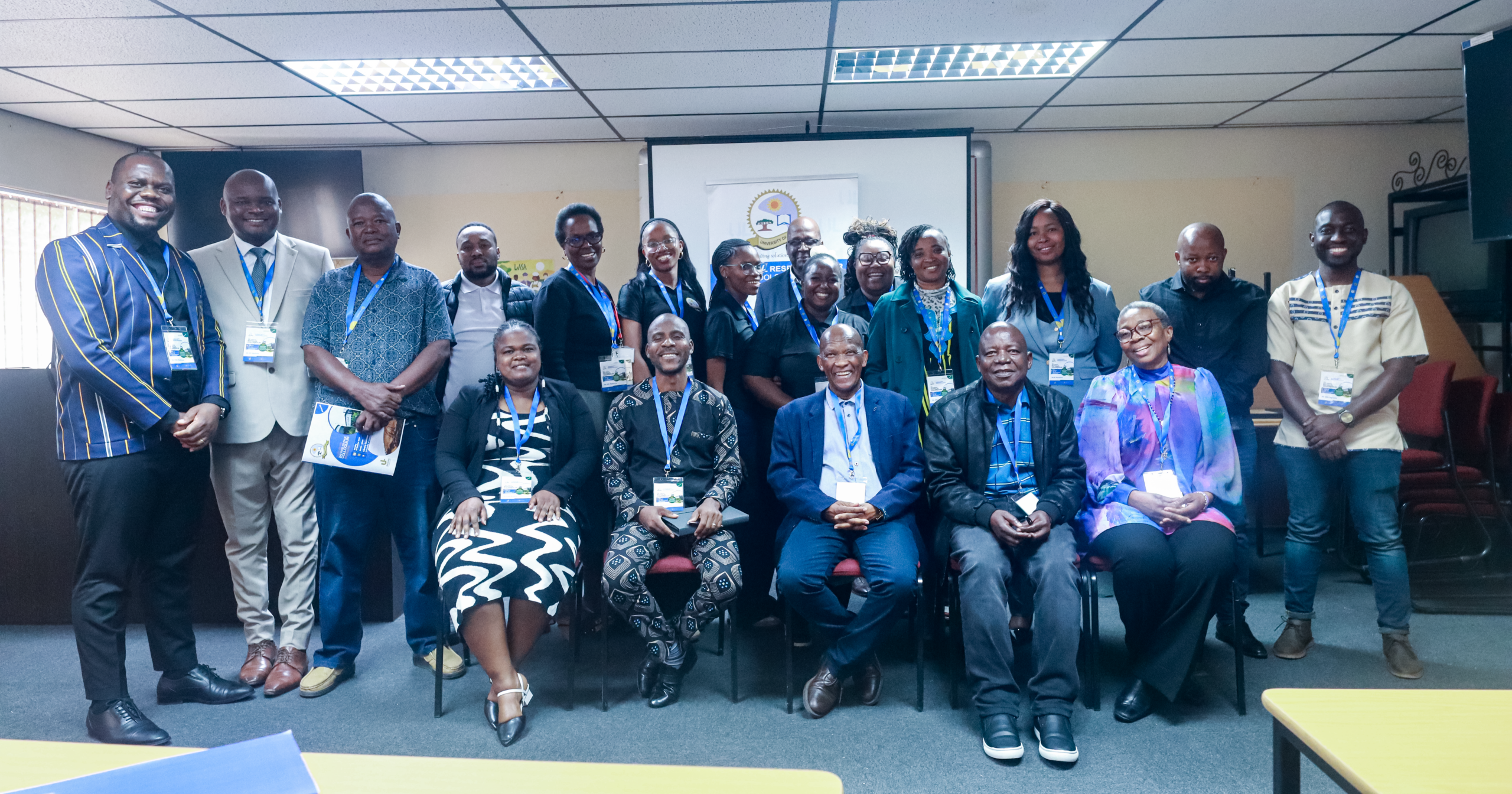
Education stakeholders engage in discussions on promoting inclusive education in South African schools. Photos: Frans Nkhapele
University of Limpopo colloquium calls for schools to move beyond policy commitments and confront the everyday barriers facing learners, with researchers highlighting teacher resilience, resource shortages and the need for meaningful language access for deaf learners
By Nyeleti Nyathi -ulpublications@ul.ac.za
Teachers are driving inclusive education in South African schools despite scarce resources, and policy must catch up with classroom realities. That was the message from the University of Limpopo’s (UL) SARChI Research Chair in Schools as Enabling Environments (SEE) at its second face-to-face colloquium, which brought academics, PhD candidates and educators together to tackle the barriers facing learners, including access to South African Sign Language for deaf learners
Convened under the theme “Schools as Enabling Environments: Rebuilding Foundations for Equity, Safety, and Lifelong Success in South African Education”, the colloquium brought together academics, PhD candidates and broader education stakeholders to share research and debate systemic challenges confronting the country’s education system.
Prof Mahlapahlapana Themane, Research Chair for SEE at UL, used his presentation to examine the indispensable role of teachers in advancing inclusive education, coinciding with World Teachers’ Day.
“Teachers drive inclusive education despite a scarcity of resources,” Prof Themane stated.
He emphasised the daily challenges teachers face when supporting learners in schools without adequate classrooms, teaching materials and other essential resources. While the overarching objective of inclusive education seeks to ensure that every learner can access and benefit from education, Prof Themane noted that severe barriers remain between this ambition and the realities of school life.
Prof Themane also stressed the need to bridge the gap between policy and practice. Professional development and education policies, he argued, must reflect the actual experiences of teachers and learners rather than overlook the conditions in which teaching and learning take place.
The colloquium also turned its attention to deaf education and the integration of South African Sign Language, with delegates highlighting the importance of language access in making education genuinely inclusive.
Addressing the assembly, Khomotso Maluleke, Deputy Principal at Transoranje School for the Deaf in Pretoria, warned that simply being present in a classroom does not guarantee that a learner is included.
“A learner is included only when the pathway from participation to knowledge is genuinely open,” Maluleke asserted.
Her contribution highlighted the need to look beyond school enrolment and physical infrastructure to consider whether learners can participate fully, communicate effectively and access knowledge without linguistic barriers.
Across the discussions, participants stressed the necessity of connecting research output, policy and classroom practice to build schools that promote equity, safety and lifelong success.
The colloquium offered a crucial platform for education stakeholders to reflect on how empirical research can inform practical responses to the challenges facing South African schools.
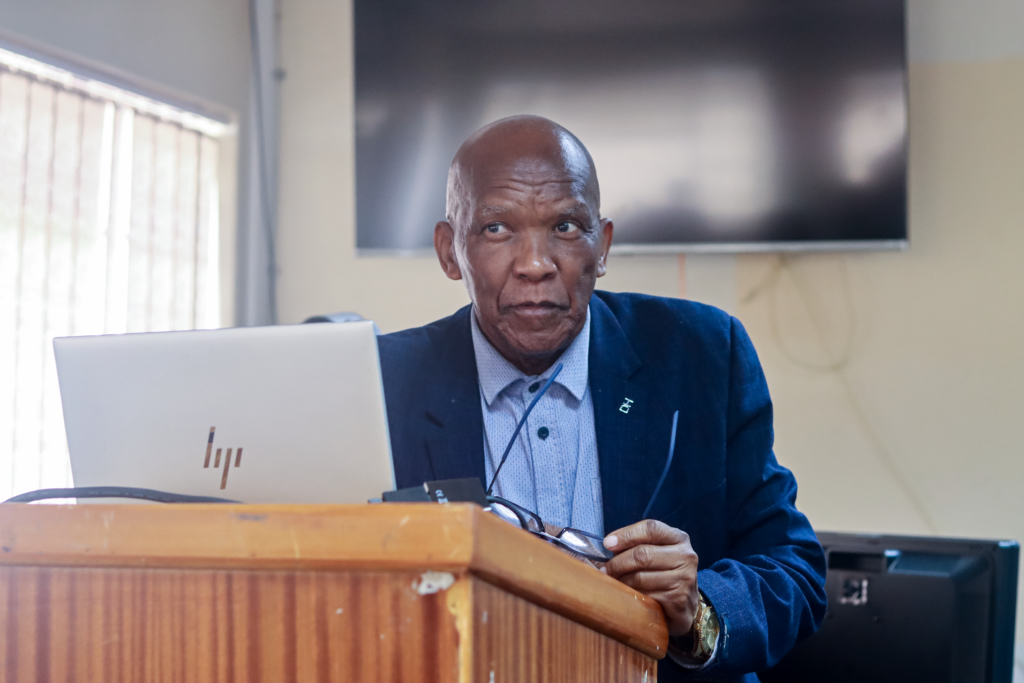
Prof Mahlapahlapana Themane, Research Chair for Schools as Enabling Environments (SEE) at UL, leads research aimed at addressing challenges in schools, including bullying, poor academic performance and drug abuse.
While the overarching objective of inclusive education seeks to ensure that every learner can access and benefit from education, severe barriers remain between this ambition and the realities of school life.