


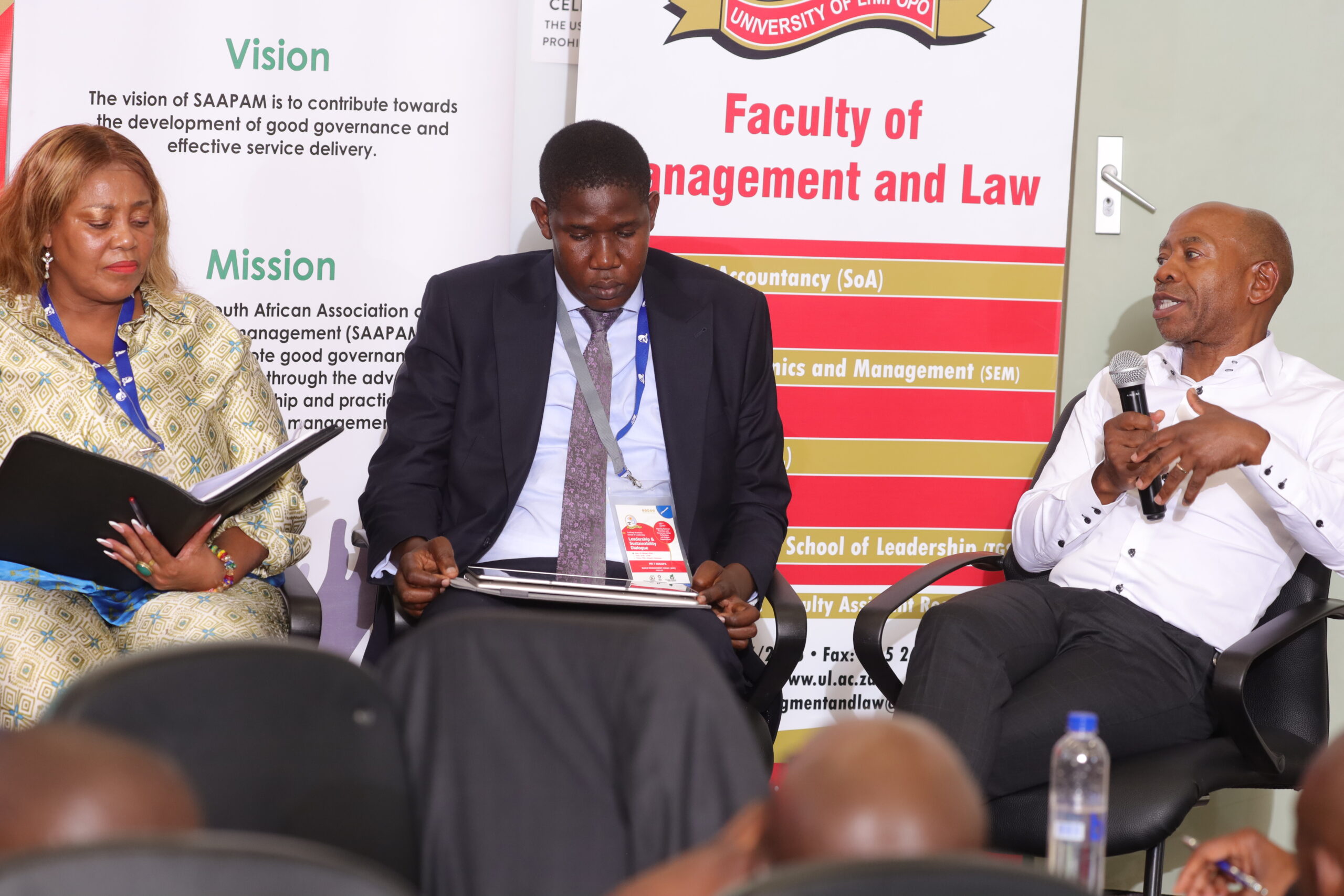
University of Limpopo (UL) convenes academics, business leaders and policymakers to confront accountability, inclusion and institutional credibility. Photo: Lebogang Mathaba
By Phishego Mohubedu – ulpublications@ul.ac.za

The University of Limpopo continues to position itself as a platform for critical engagement and intellectual exchange, with its business school, the Turfloop Graduate School of Leadership (TGSL), hosting a robust Leadership & Sustainability Dialogue that brought together academics, policymakers and business leaders to interrogate the state of governance and ethical leadership in South Africa
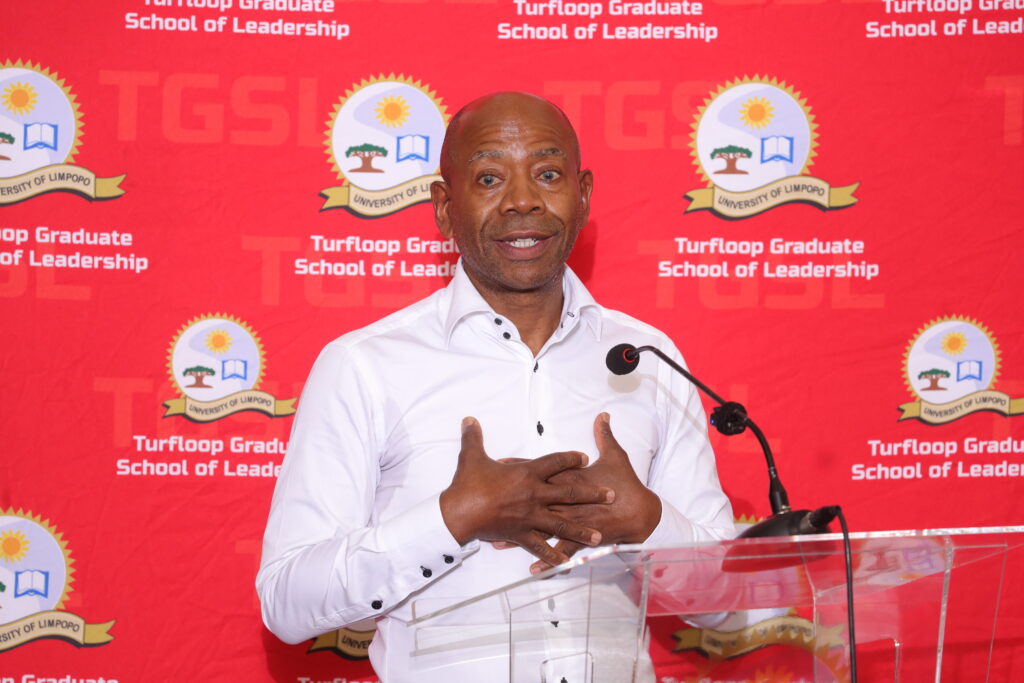
Prof Bonang Mohale, Chancellor of the University of the Free State.
Delivering the keynote address, Prof Bonang Mohale, Chancellor of the University of the Free State and respected national business leader, challenged both universities and corporate South Africa to return to first principles: integrity, accountability and service.
Prof Mohale framed leadership not as a position, but as stewardship. Sustainable development, he argued, cannot be achieved without moral courage and a deliberate commitment to inclusive growth. Institutions, he said, must move beyond rhetoric and embed ethical conduct into strategy, governance frameworks and daily practice.
“We cannot speak of sustainability without confronting the ethical fibre of our leadership,” said Prof Mohale.
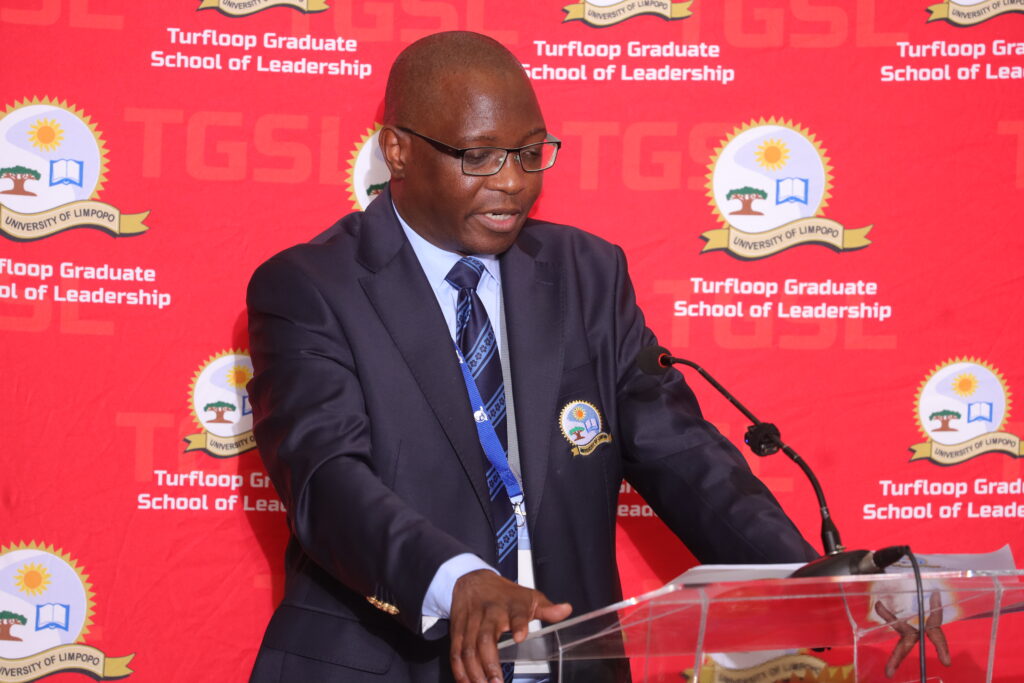
Dr Jeffrey Mabelebele, Vice-Chancellor and Principal of the University of Limpopo.
His address resonated strongly with the remarks of Dr Jeffrey Mabelebele, Vice-Chancellor and Principal of UL, who positioned the University as both conscience and catalyst in national development debates.
Dr Mabelebele argued that higher education institutions carry a dual mandate: producing employable graduates while cultivating socially responsive citizens. In a context marked by climate volatility, technological disruption and fragile public trust, he emphasised that universities must anchor evidence-based policy and community-centred research.
“Universities must lead not only in thought, but in action — shaping leaders who remain accountable to the communities they serve,” said Dr Mabelebele.
“We cannot speak of sustainability without confronting the ethical fibre of our leadership.”
Governance, public value and institutional credibility
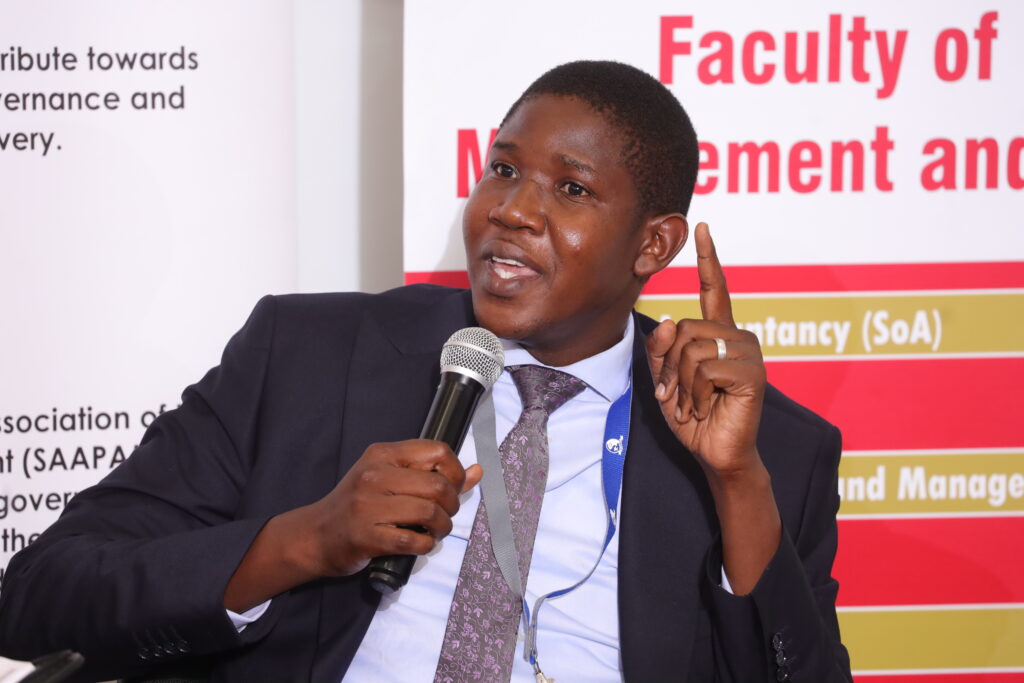
Thabang Bogopa, BMF Tubatse Chairperson and Lecturer at UNISA.
The dialogue deepened during a panel session where Thabang Bogopa, BMF Tubatse Chairperson and Lecturer at UNISA, steered the conversation towards governance reform and public accountability. Ethical leadership, he noted, “is tested most under pressure, particularly when institutions face fiscal constraints or political scrutiny.” Transparency and clear communication, he argued, are central to rebuilding public trust.
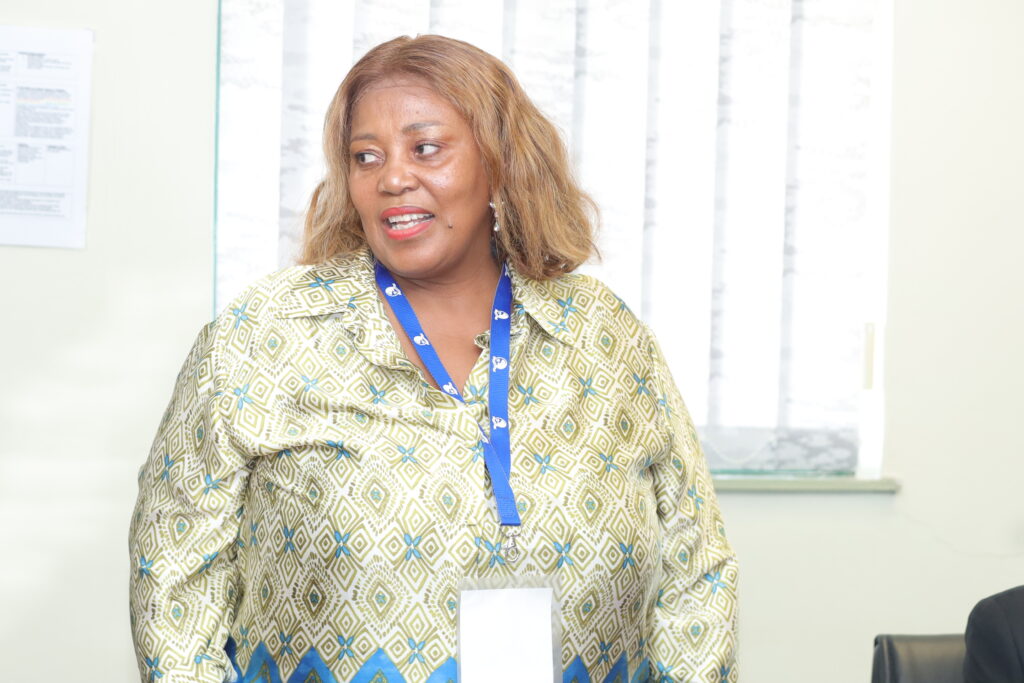
Prof Maria M Kanjere, academic at the Turfloop Graduate School of Leadership.
Prof Maria Kanjere, an academic at UL’s TGSL, expanded the discussion to the academic project itself. Sustainability, she said, “must be embedded in curricula and research agendas rather than treated as an auxiliary theme. Universities should deliberately produce graduates equipped to solve real-world problems, particularly within marginalised communities.”
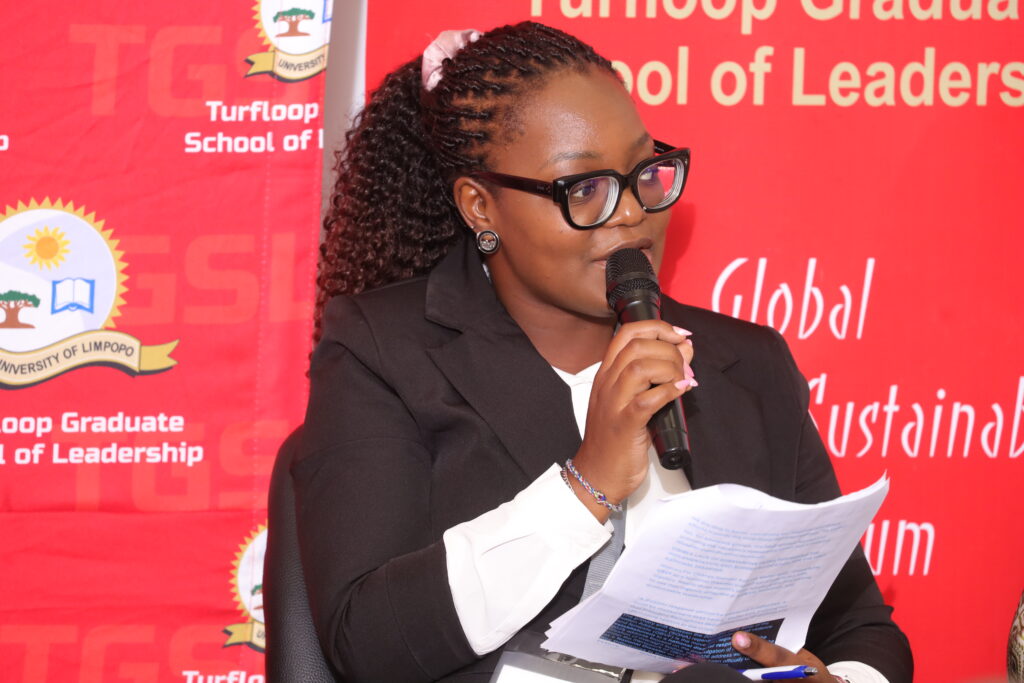
Dr Samukezi Mrubula-Ngwenya, Head of Department of Cultural and Political Studies at the University of Limpopo.
Dr Samukezi Mrubula-Ngwenya, Head of Department of Cultural and Political Studies at UL, brought a rights-based policy lens to the dialogue. Her presentation centred on equality, constitutional protections and the lived realities of lesbians and gays within South Africa’s social and institutional spaces. “Sustainable leadership cannot be divorced from questions of inclusion, dignity and equal access to opportunity,” she argued.
Drawing on the constitutional framework, she emphasised that higher education institutions have both a moral and legal responsibility to create environments that affirm sexual minorities, while ensuring that research and policy engagement addresses systemic discrimination.
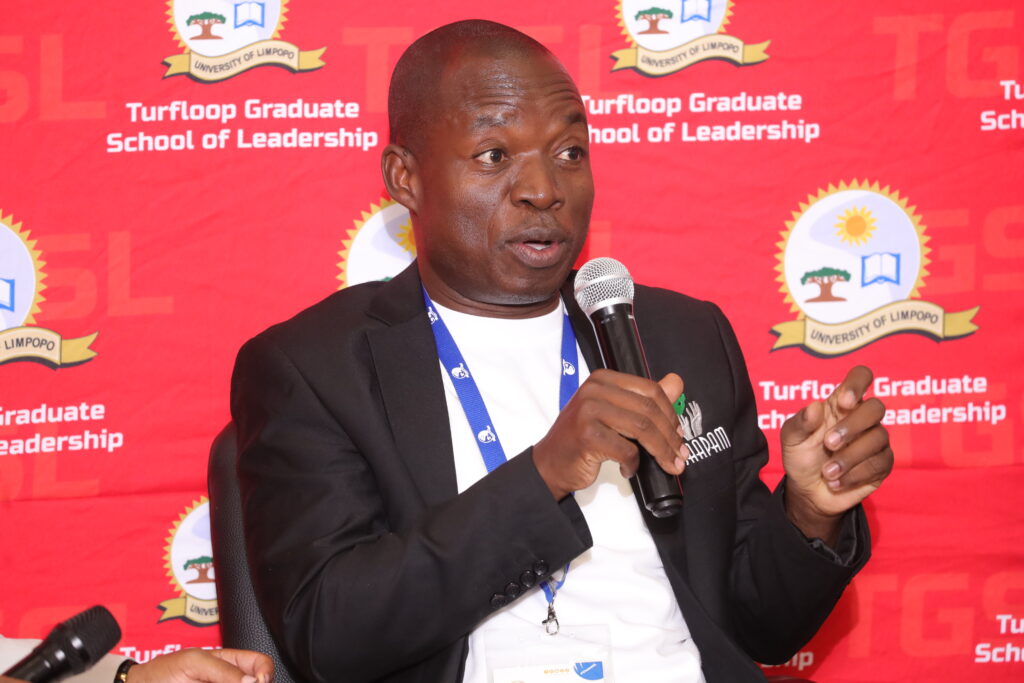
Prof Harry Munzhedzi, SAAPAM Limpopo Chairperson and academic at UNIVEN.
Meanwhile, Prof Harry Munzhedzi, SAAPAM Limpopo Chairperson and academic at UNIVEN, reflected on public administration and institutional ethics. “Governance failures often stem not from a lack of policy but from weak implementation and compromised accountability structures.” He called for renewed focus on ethical training within both academic and public sector institutions.
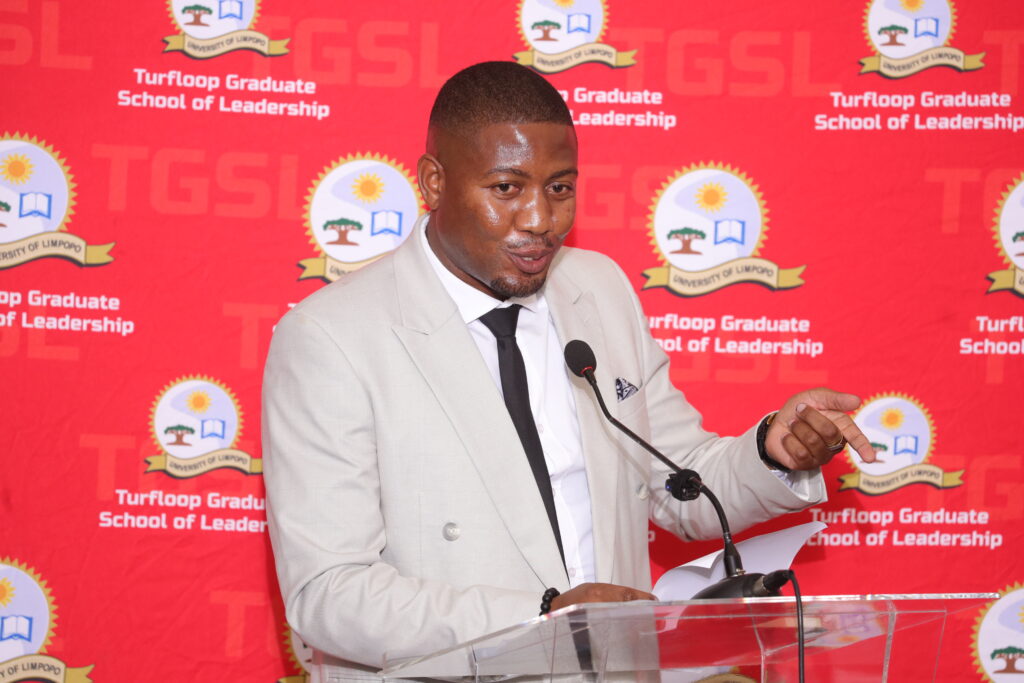
Mnqobi Njoko, Programme Manager in the MDEV programme at the University of Limpopo.
Moderating the broader session, Mnqobi Njoko, Programme Manager in the MDEV programme at UL, pressed panellists to move beyond principle to implementation. He challenged participants to consider how institutional policies translate into lived experiences on campuses and in surrounding communities.
“Leadership is ultimately measured not by declarations, but by demonstrable change,” Njoko remarked, urging universities to align governance frameworks, curriculum design and community engagement strategies with constitutional values.