


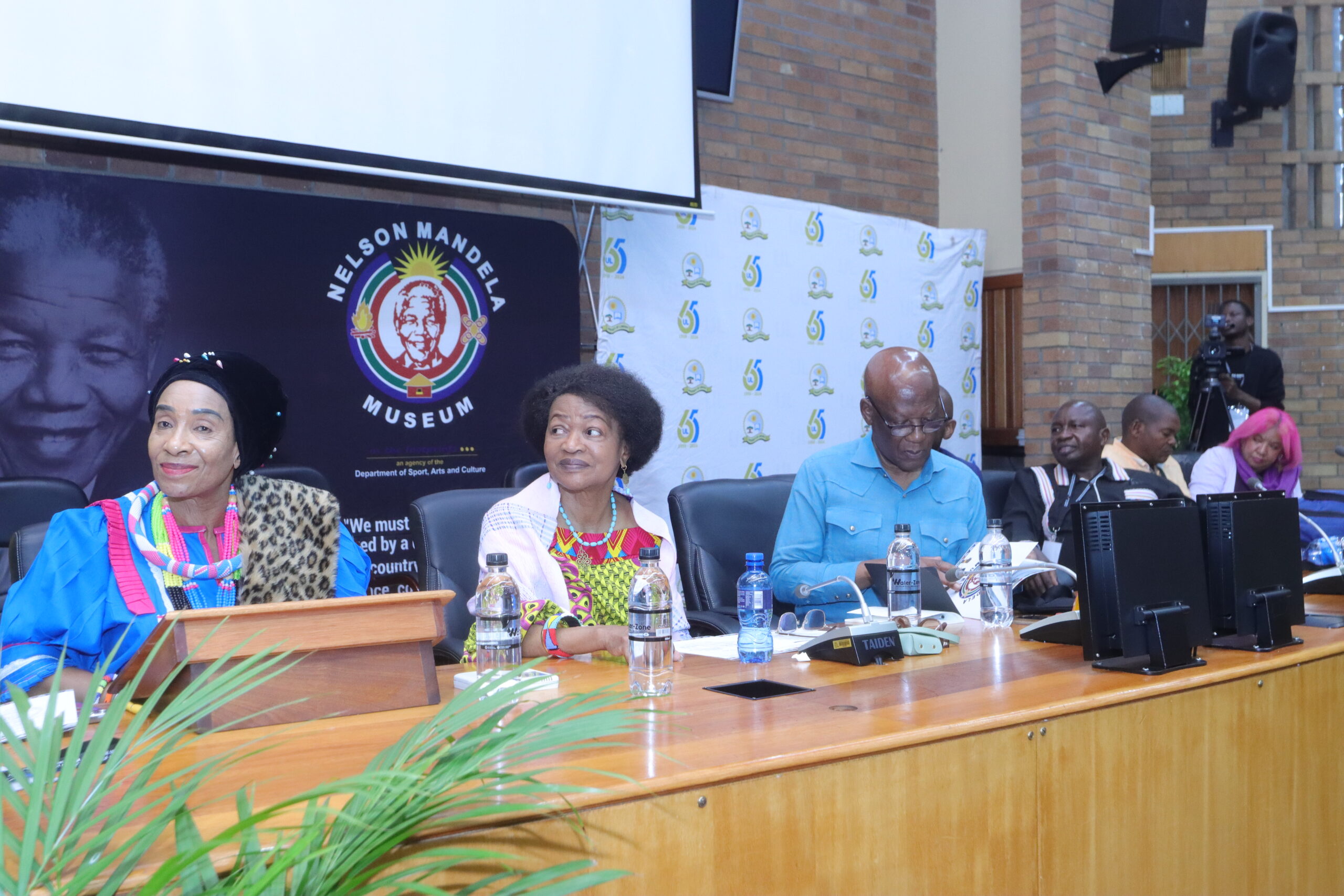
From left: Kgošigadi Shapo Johanna Raphahlelo of the Raphahlelo Traditional Council; Hon Baleka Mbete, Former Deputy President of South Africa and Chairperson of the National Liberation Heritage Institute of South Africa (NaLHISA); and Hosi Pheni Ngove, Chairperson of the Limpopo House of Traditional and Khoisan leaders. Photo: Lebogang Mathaba
By Rinae Manenzhe – ulpublications@ul.ac.za
Echoes of freedom, resilience, and identity filled the air at the University of Limpopo (UL) as it hosted the 4th Annual African Liberation Heritage Indaba, a gathering that blended history, intellect, and cultural pride
In partnership with the Nelson Mandela Museum and the Limpopo Department of Sport, Arts and Culture, the indaba paid homage to Africa’s liberation journey while igniting a renewed call for young people to reclaim and celebrate their cultural heritage.
Held under the theme “Re-imagination of Transformative and Emancipatory Purpose of Cultural Institutions in South Africa”, the indaba brought together academics, cultural practitioners, students, and government representatives to explore how heritage institutions can become engines of transformation and nation-building in a rapidly changing world.
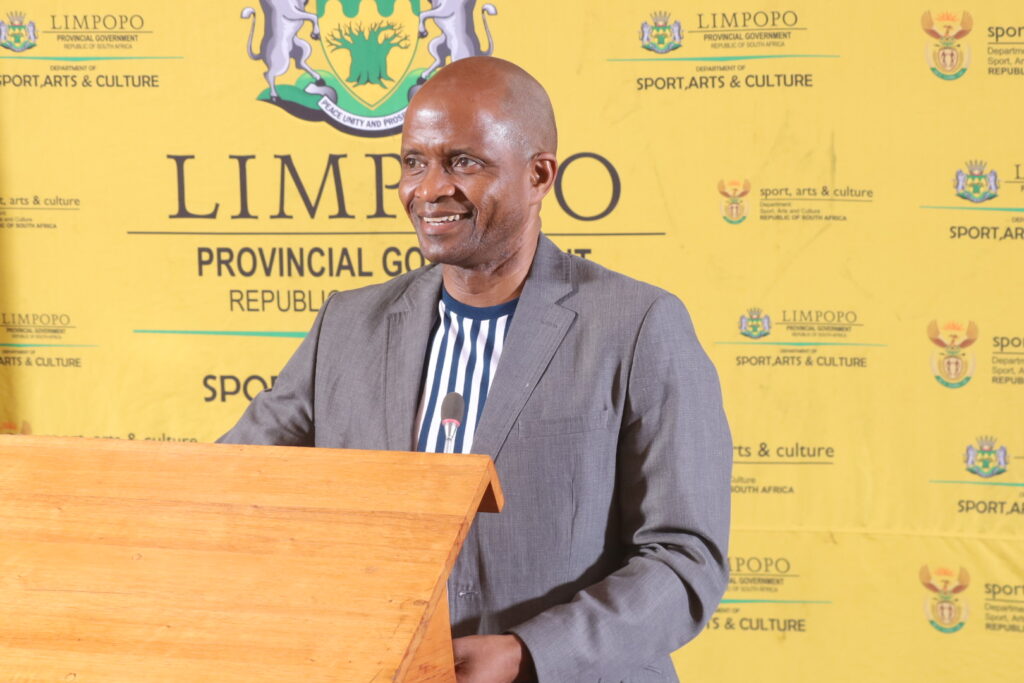
Victor Kgomoeswana: Executive Director of Marketing and Communication at UL.
In his welcoming address, Victor Kgomoeswana, UL’s Executive Director of Marketing and Communication, reminded delegates of the enduring debt owed to those who fought for South Africa’s freedom.
“The freedom we enjoy today was not free. We must carry forward the legacy of those who fought for it and preserve our shared heritage for future generations.”
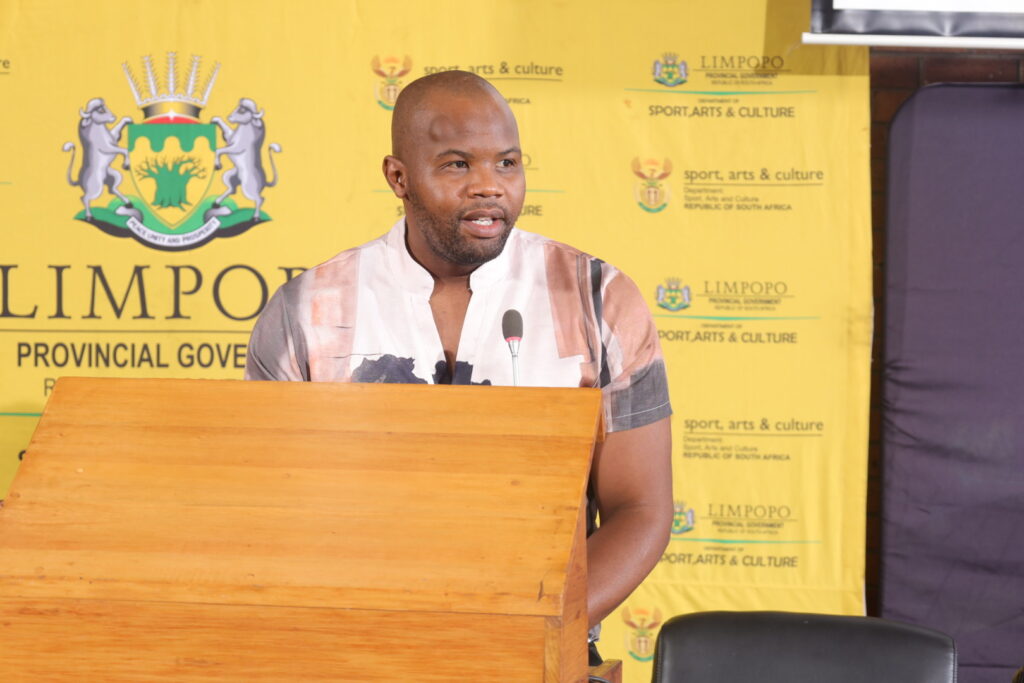
Mandisi Msongelwa, Acting CEO of the Nelson Mandela Museum.
Mandisi Msongelwa, Acting CEO of the Nelson Mandela Museum, echoed these sentiments, highlighting the role of young people as the next custodians of African heritage.
Hon Baleka Mbete, Former Deputy President of South Africa and Chairperson of the National Liberation Heritage Institute of South Africa (NaLHISA), extended a message of goodwill, emphasising the importance of valuing and preserving the country’s diverse cultural heritage.
“Reclaiming pride in our African identity requires decolonising the mind, restoring our traditional practices, and strengthening the family and community bonds that define who we are as a people,” she said.
Mbete further reflected on the legacy of Nelson Mandela, noting his belief in the power of the youth to shape the continent’s future.
“Madiba believed deeply in the potential of young people. This indaba is about empowering our youth to take ownership of our history, to tell their own stories, and to actively build the future they wish to inherit.”
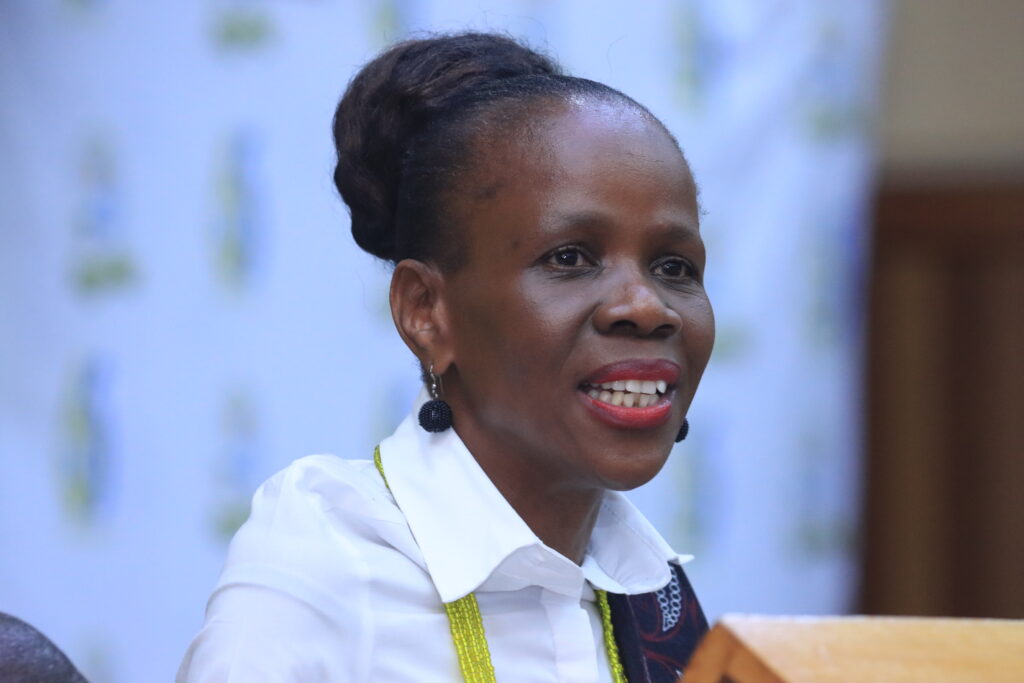
Kgathane Mokgonyana, Head of the Department of Sport, Arts and Culture in Limpopo.
Adding to the spirit of empowerment, Kgathane Mokgonyana, Head of the Department of Sport, Arts and Culture in Limpopo, reaffirmed the government’s commitment to preserving the province’s rich heritage.
“We began the journey of embracing our heritage by taking significant steps to develop our cultural roots,” he said. “The University of Limpopo is one of those roots — we’ve invested about R2.7 million to develop it as a key site for preserving the heritage and liberation history of our country.”
Throughout the panel discussions, the word “decolonisation” resonated powerfully — symbolising Africa’s ongoing struggle to reclaim its narrative. Speakers emphasised that decolonisation must go beyond academic discourse; it must transform how institutions function, how knowledge is produced, and how Africans define themselves within global spaces.
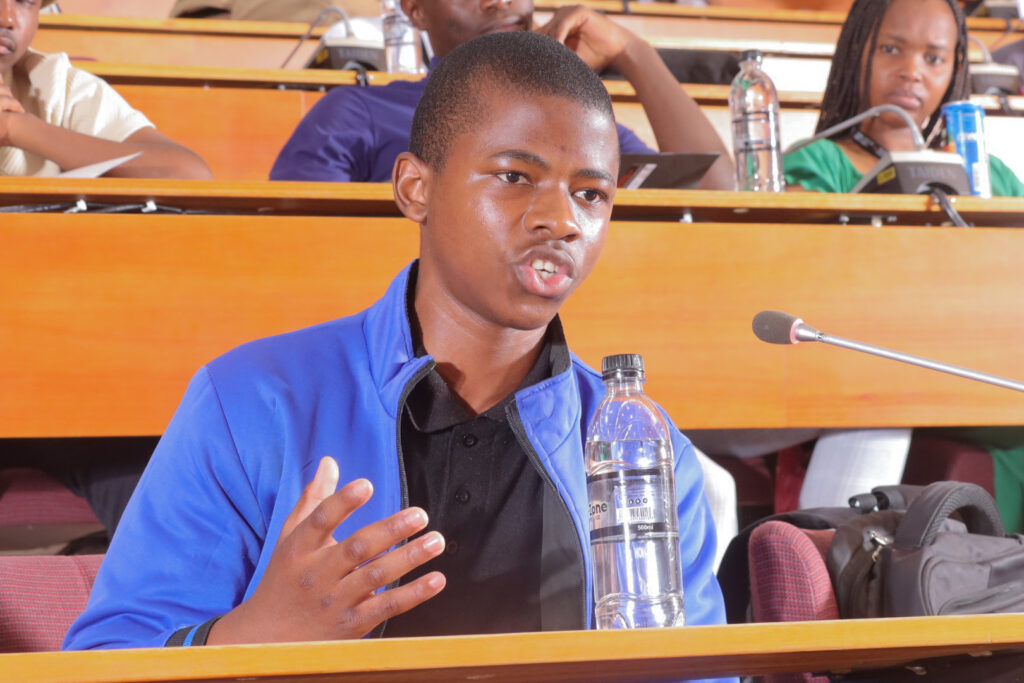
Saneze Lawana, a first-year LLB student at UL.
Among the participants inspired by this message was Saneze Lawana, a first-year LLB student at UL, who said the indaba deepened his appreciation for cultural identity.
“What stood out for me was when one presenter said that someone who is ashamed of their heritage cannot be trusted,” he reflected. “If you are ashamed of your culture and roots, you can easily betray your people. Cultural institutions are not just buildings that portray art, they reveal who we are and where we come from.”
Lawana described the experience as both spiritual and educational.
“I’m really glad I came,” he said. “I believe the Holy Spirit led me here. I’ve learned how important it is to honour our culture and not allow it to be used against us. We must uphold institutions that preserve our heritage so that we don’t repeat the mistakes of the past.”