


During the induction of the Software Development (SWD) Programme, DSI Trainer James Lentsoane emphasises the importance of blending technology with entrepreneurship to empower rural communities. . Photos: Naledi Lekalakala
By Phishego Mohubedu -ulpublicationa@ul.ac.za
In the era of the Fourth Industrial Revolution (4IR), the University of Limpopo (UL), in partnership with Samsung and the Department of Trade, Industry and Competition (DTIC), is actively working to bridge the digital divide by equipping young people with vital ICT skills to enhance their employability
As part of its Software Development (SWD) Programme, launched in 2023, UL has recently enrolled a second cohort of 25 students for a 10-month training course in Introduction to Multi-Platform Software Development and Digital Social Innovation. This initiative aims to empower young innovators from previously disadvantaged backgrounds with advanced digital and technological skills, promoting research excellence and driving technological progress in South Africa.
The programme is part of Samsung’s R280 million Equity Equivalent Investment Programme (EEIP), launched in 2019 in partnership with the DTIC. Its primary objective is to reduce unemployment and contribute to economic growth in Limpopo.
From the first cohort, 24 students successfully completed the programme, with one participant exiting due to personal reasons. Notably, 10 graduates have already secured permanent employment, highlighting the programme’s tangible impact.

Ntshuxeko Shirindi, Software Development Programme Trainer, highlights the importance of teamwork in the programme.
During the induction of the new cohort, Multi-Platform Software Development Trainer, Ntshuxeko Shirindi, presented an overview of key focus areas, including programming, database management, mobile application development, and coding, all essential for developing digital expertise.
“This programme provides participants with hands-on experience in real-world software development. By the end of the training, they will be equipped to design and implement digital solutions that address community challenges.”
Digital Social Innovation Trainer, James Lentsoane, addressed the trainees, outlining the four guiding principles of Digital Social Innovation (DSI).
“DSI is centred on community-centric design, creating solutions with people, not for them, while encouraging collaboration and knowledge sharing. It also fosters empowerment through digital literacy, enabling communities to play an active role in shaping sustainable, technology-driven solutions.”
He emphasised that DSI is crucial for tackling pressing social issues such as unemployment, gender-based violence, and educational inequality. The initiative aligns with the National Development Plan 2030 and the United Nations Sustainable Development Goals (SDGs) by creating opportunities for youth to drive digital transformation.
“Youth-led digital solutions can transform local communities and strengthen the country’s digital economy,” Lentsoane stated.
Tebu Thobejane, one of the trainees, expressed optimism about the opportunity.
“I expect to gain the essential skills needed to become an entrepreneur in the software development field,” he said.
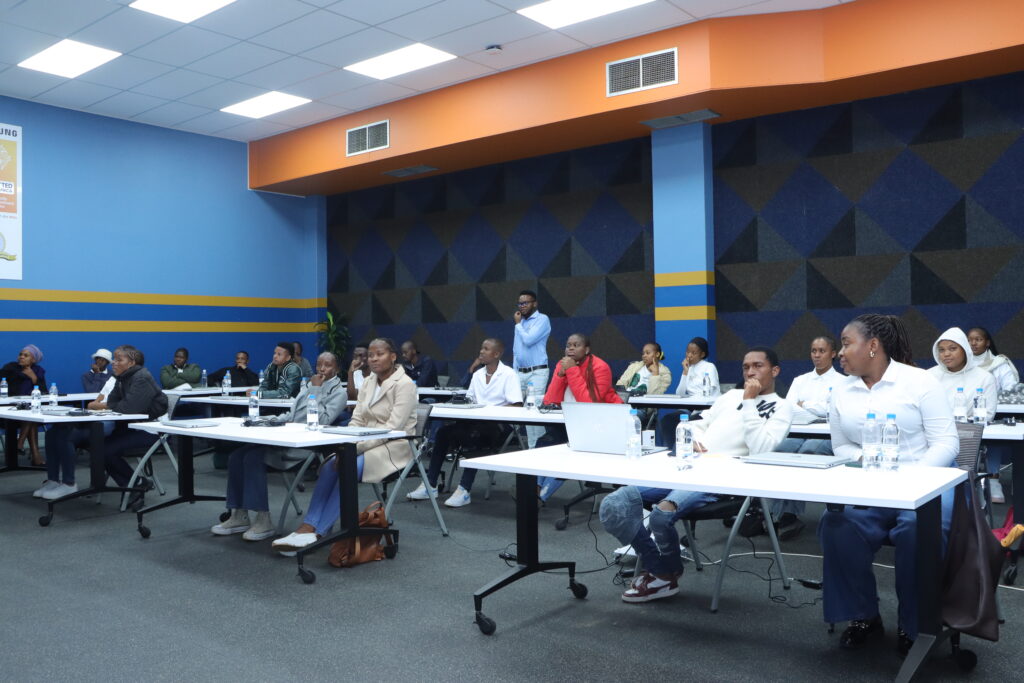
The second cohort of trainees in the Software Development Programme, facilitated by the University of Limpopo, look forward to gaining new skills to enhance their employability and uplift their communities