


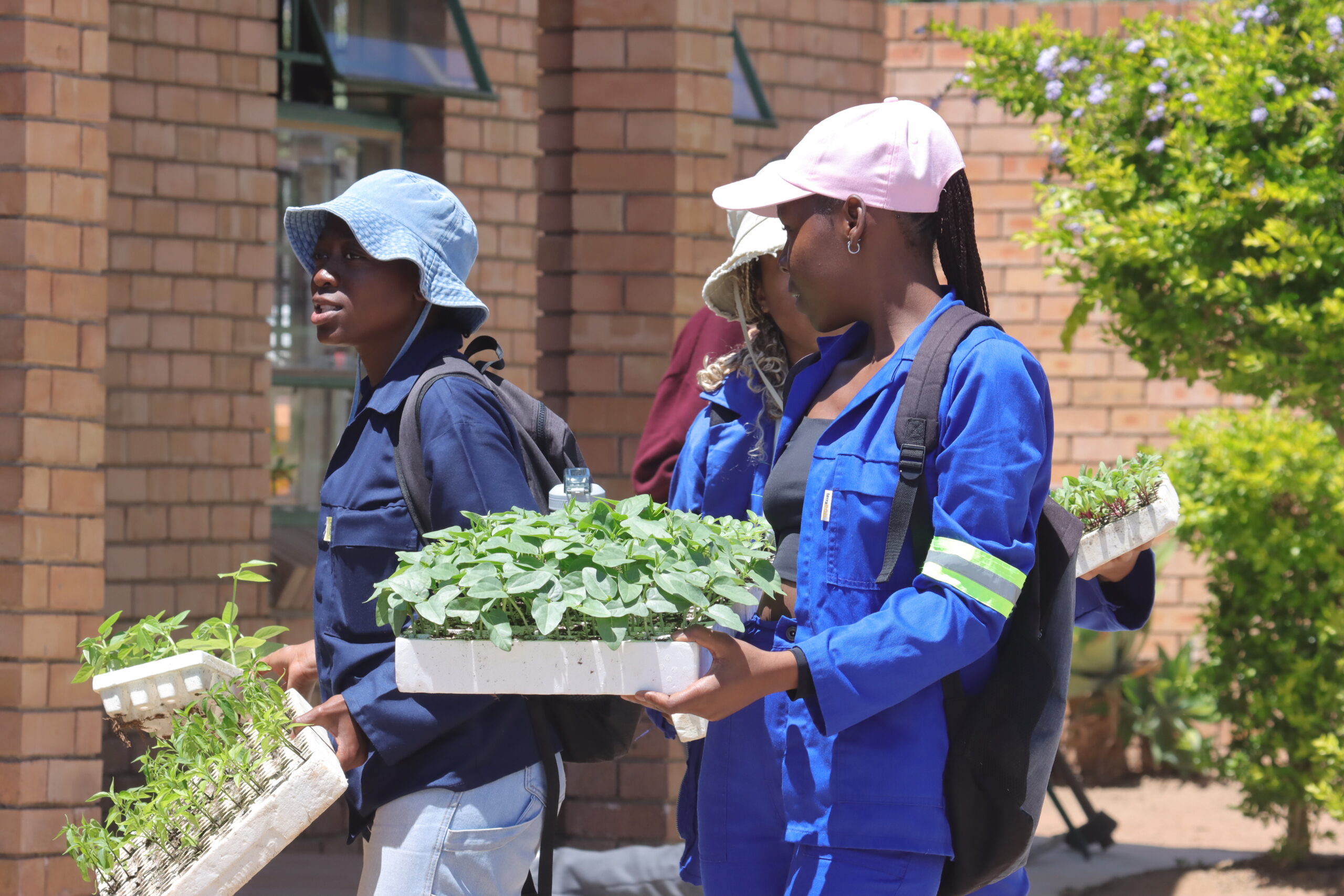
Learners and University of Limpopo staff participate in farming activities during the World Food Day celebration at Ramakanyane Secondary School in Nobody Ga-Mothiba.
Ramakanyane Secondary School learners explore the nutritional benefits of traditional foods and sustainable farming during a World Food Day initiative
By Thabiseng Ngobeni –
Learners at Ramakanyane Secondary School marked World Food Day 2026 by planting indigenous crops and a small orchard alongside soil scientists, dietitians and Green Biotechnologies Research Centre of Excellence researchers from the University of Limpopo (UL), who also showed them the health benefits of foods such as morogo and mopane worms and introduced them to careers in agriculture
Organised by the UL’s Department of Plant Production, Soil Science and Agricultural Engineering, the event was held under the theme “Innovate Today. Nourish Tomorrow”.
It brought together university staff, representatives from the Limpopo Department of Agriculture and Rural Development (LDARD), teachers and learners to promote food security, sustainable farming and healthy eating.
Dr Vusi Mbanjwa, a Senior Lecturer in Soil Science at the University of Limpopo, said the school was selected because of its interest in agriculture.
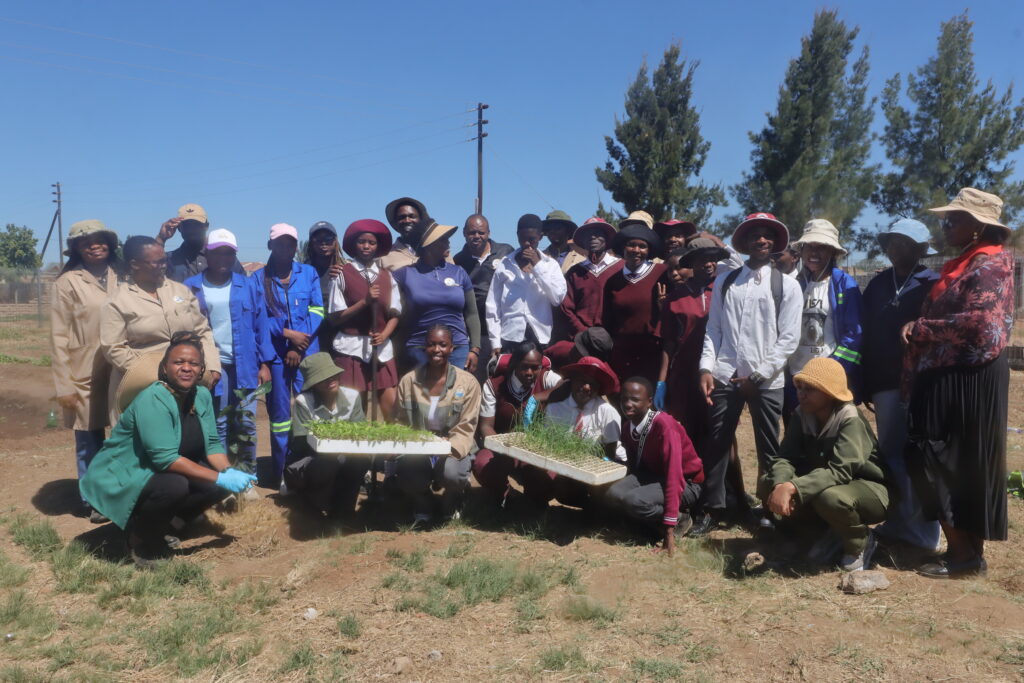
“We decided to visit Ramakanyane Secondary School because of its passion for agriculture. We are also helping the school establish an orchard and plant indigenous crops. This is part of using science to address the challenges surrounding traditional crops,” he said.
The celebration was divided into two sessions, beginning with nutrition and health awareness before moving to practical activities in the school garden.
University dietitian and lecturer in the Department of Human Nutrition and Dietetics, Neo Malaka, urged learners to include more indigenous foods, fruits and vegetables in their diets.
She also warned learners against eating too much fast food, saying excessive consumption could contribute to obesity and other health problems.
“You should eat more indigenous foods like morogo, sweet potatoes and mopane worms. These foods are natural, healthy and good for the body.”
Prof Kgabo Pofu, an academic from U’s Green Biotechnologies Research Centre of Excellence, also highlighted the benefits of healthy eating.
She said nutritious food could help learners remain active, concentrate in class and perform better at school.
Prof Pofu warned that excessive fast-food consumption could contribute, in addition to weight gain as highlighted by Malaka, tiredness and difficulties concentrating during lessons.
The second session took place in the school garden, where learners joined university staff in planting indigenous crops, including morogo and fruit trees to establish a small orchard.
The team explained how growing food at home could help families improve food access and reduce hunger. Learners were also introduced to sustainable agricultural practices, including ways to grow food while protecting the soil.
The university further provided career guidance to learners interested in agriculture, highlighting study opportunities in agricultural sciences and potential careers in the sector.
The principal of Ramakanyane Secondary School thanked UL for bringing the programme to the school, stressing that it will particularly assist learners interested in agriculture as a preferred career path.
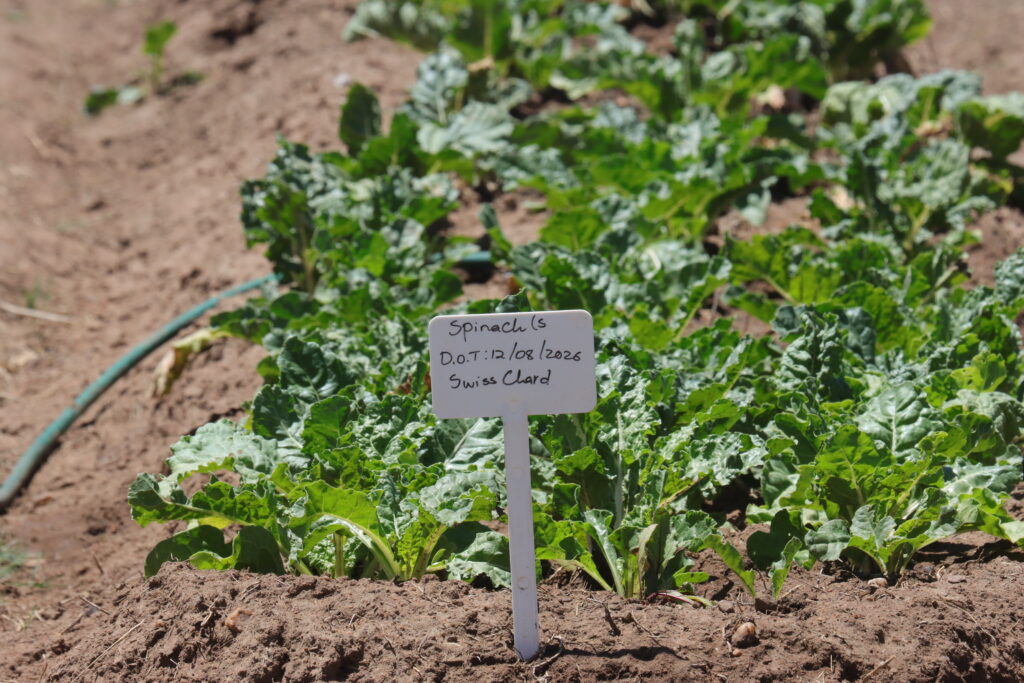
Through the World Food Day initiative, the university encouraged learners to take an active role in food production, make healthier food choices and explore agriculture as a way to support their communities.
“You should eat more indigenous foods like morogo, sweet potatoes and mopane worms. These foods are natural, healthy and good for the body.”