DIMAMO
Community Engagement
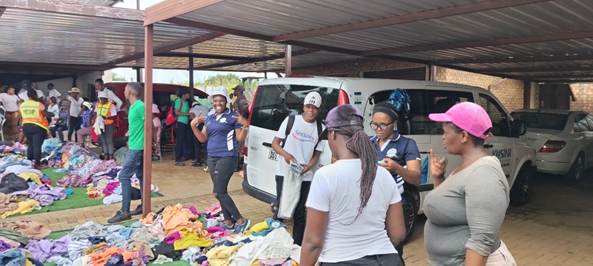
At DIMAMO HDSS, the community is at the heart of everything we do. Our work depends on strong partnerships with the households and communities who generously share their time and information to help improve health knowledge and services.
Our Commitment to the Community
We believe that sustainable research begins with trust, transparency, and mutual respect. Our commitment is to build long-term relationships with the communities we serve while ensuring that research activities are conducted ethically and responsibly. We actively engage communities before, during, and after research activities to ensure that everyone understands the purpose of our work and how the information collected contributes to improving public health.
Our community engagement approach focuses on:
- Listening to community voices when designing and implementing research
- Ensuring transparency about how data are collected and used
- Promoting mutual learning between researchers and community members
- Encouraging active community participation in health research
Through this approach, communities become partners in generating knowledge that shapes better health policies and services.
Community Participation in Research
Our success depends on the active participation of community members who contribute valuable information about demographic and health events in their households. This information helps researchers track changes in population health over time and identify emerging health challenges in the community. Community participation helps generate evidence that informs better healthcare planning, resource allocation, and targeted health interventions at both local and national levels. Participation is voluntary, and all information is treated with the highest level of confidentiality and ethical protection.
Community Advisory Board (CAB)
DIMAMO HDSS works closely with a Community Advisory Board (CAB) that represents the voices and perspectives of the communities within the surveillance area. The CAB plays a vital role in ensuring that research activities remain culturally sensitive, ethically sound, and aligned with community priorities.
Key roles of the CAB include:
- Advising researchers on community concerns and expectations
- Facilitating communication between researchers and community members
- Supporting ethical community engagement practices
- Providing feedback on research findings and dissemination strategies
Through the CAB, we ensure that communities remain active partners in shaping the research agenda.
Sharing Research Results with the Community
We believe that communities have the right to know the outcomes of the research conducted in their area. Research findings are regularly shared with community members through:
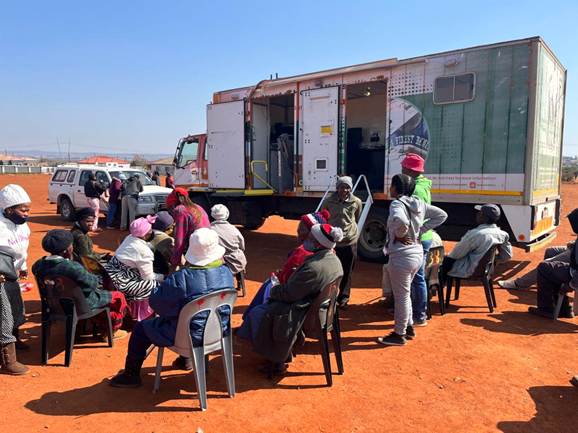
- Community meetings and village forums
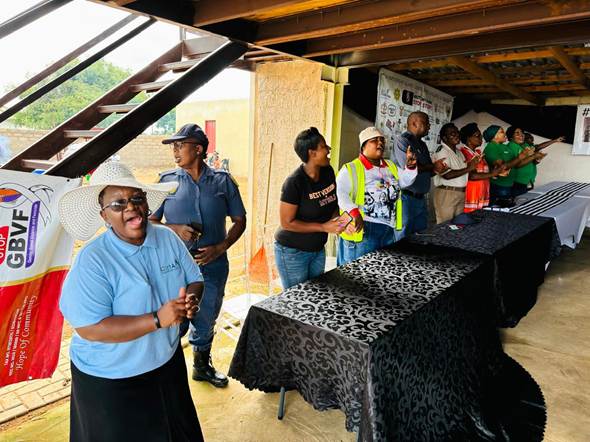
- Public health awareness events
- Stakeholder engagement workshops
- Community newsletters and reports
- Digital communication platforms
These engagements help communities understand important health trends such as the prevalence of infectious diseases, the rise of non-communicable diseases, and health service utilisation patterns. By sharing knowledge, we empower communities to make informed health decisions and support local health improvement initiatives. The insights contribute to both local community development and national health research, ensuring that rural populations are represented in scientific knowledge and policy discussions.

DIMAMO
Our Commitment to the Community
We believe that sustainable research begins with trust, transparency, and mutual respect. Our commitment is to build long-term relationships with the communities we serve while ensuring that research activities are conducted ethically and responsibly. We actively engage communities before, during, and after research activities to ensure that everyone understands the purpose of our work and how the information collected contributes to improving public health.
Our community engagement approach focuses on:
- Listening to community voices when designing and implementing research
- Ensuring transparency about how data are collected and used
- Promoting mutual learning between researchers and community members
- Encouraging active community participation in health research
Through this approach, communities become partners in generating knowledge that shapes better health policies and services.
Community Participation in Research
Our success depends on the active participation of community members who contribute valuable information about demographic and health events in their households. This information helps researchers track changes in population health over time and identify emerging health challenges in the community. Community participation helps generate evidence that informs better healthcare planning, resource allocation, and targeted health interventions at both local and national levels. Participation is voluntary, and all information is treated with the highest level of confidentiality and ethical protection.
Community Advisory Board (CAB)
DIMAMO HDSS works closely with a Community Advisory Board (CAB) that represents the voices and perspectives of the communities within the surveillance area. The CAB plays a vital role in ensuring that research activities remain culturally sensitive, ethically sound, and aligned with community priorities.
Key roles of the CAB include:
- Advising researchers on community concerns and expectations
- Facilitating communication between researchers and community members
- Supporting ethical community engagement practices
- Providing feedback on research findings and dissemination strategies
Through the CAB, we ensure that communities remain active partners in shaping the research agenda.
Sharing Research Results with the Community
We believe that communities have the right to know the outcomes of the research conducted in their area. Research findings are regularly shared with community members through:
- Community meetings and village forums
- Public health awareness events
- Stakeholder engagement workshops
- Community newsletters and reports
- Digital communication platforms
These engagements help communities understand important health trends such as the prevalence of infectious diseases, the rise of non-communicable diseases, and health service utilisation patterns. By sharing knowledge, we empower communities to make informed health decisions and support local health improvement initiatives. The insights contribute to both local community development and national health research, ensuring that rural populations are represented in scientific knowledge and policy discussions.