DIMAMO
Surveillance Area
Background of the Surveillance Area
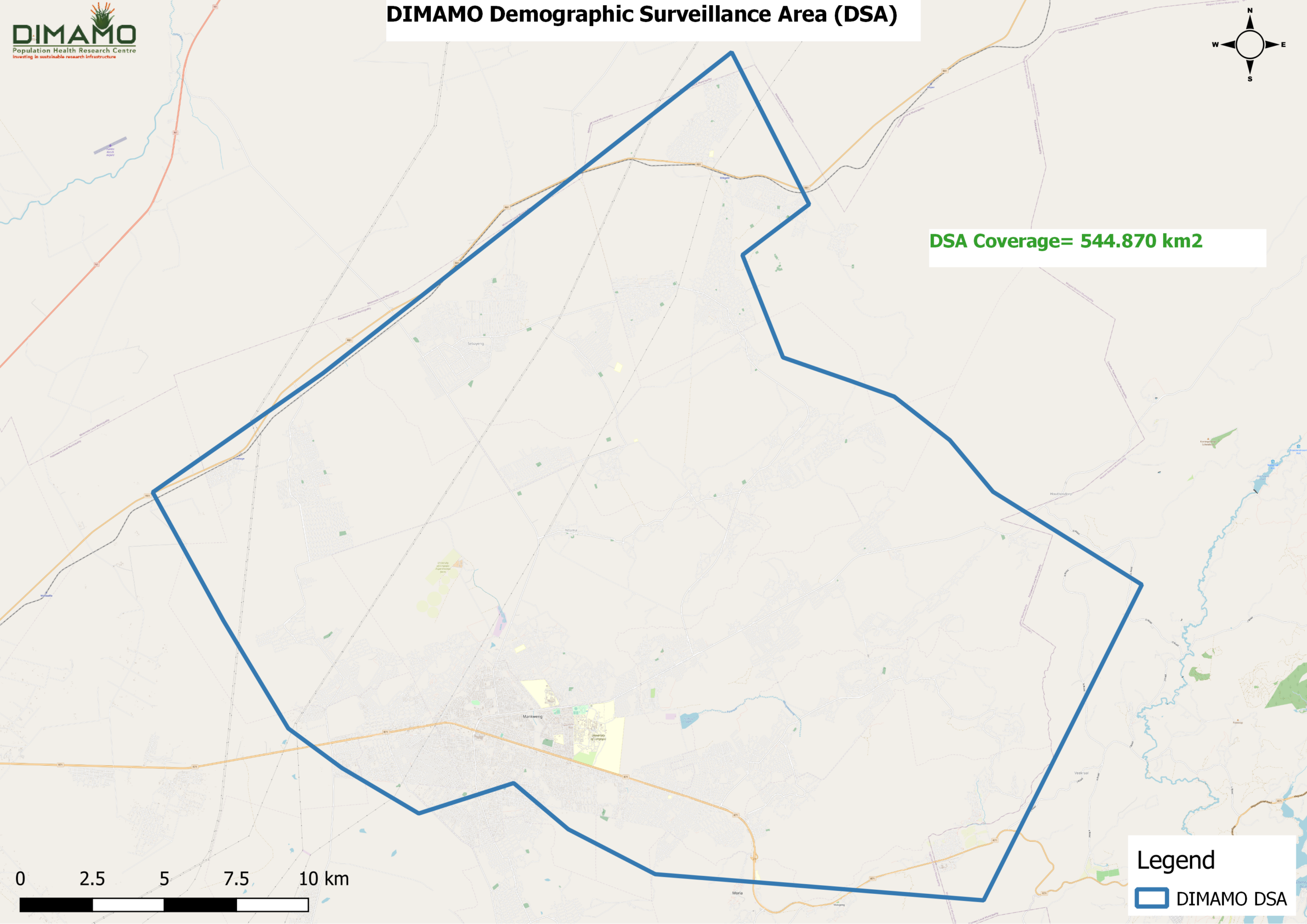
The DIMAMO Health and Demographic Surveillance System (HDSS) was established in 1995 to generate reliable, longitudinal population data that can support research, inform health policy, and improve health service delivery in rural South Africa. The surveillance area is located in the Capricorn District of the Limpopo Province, primarily within communities situated north of Polokwane. The site is hosted by the University of Limpopo through its Faculty of Health Science and related research units.
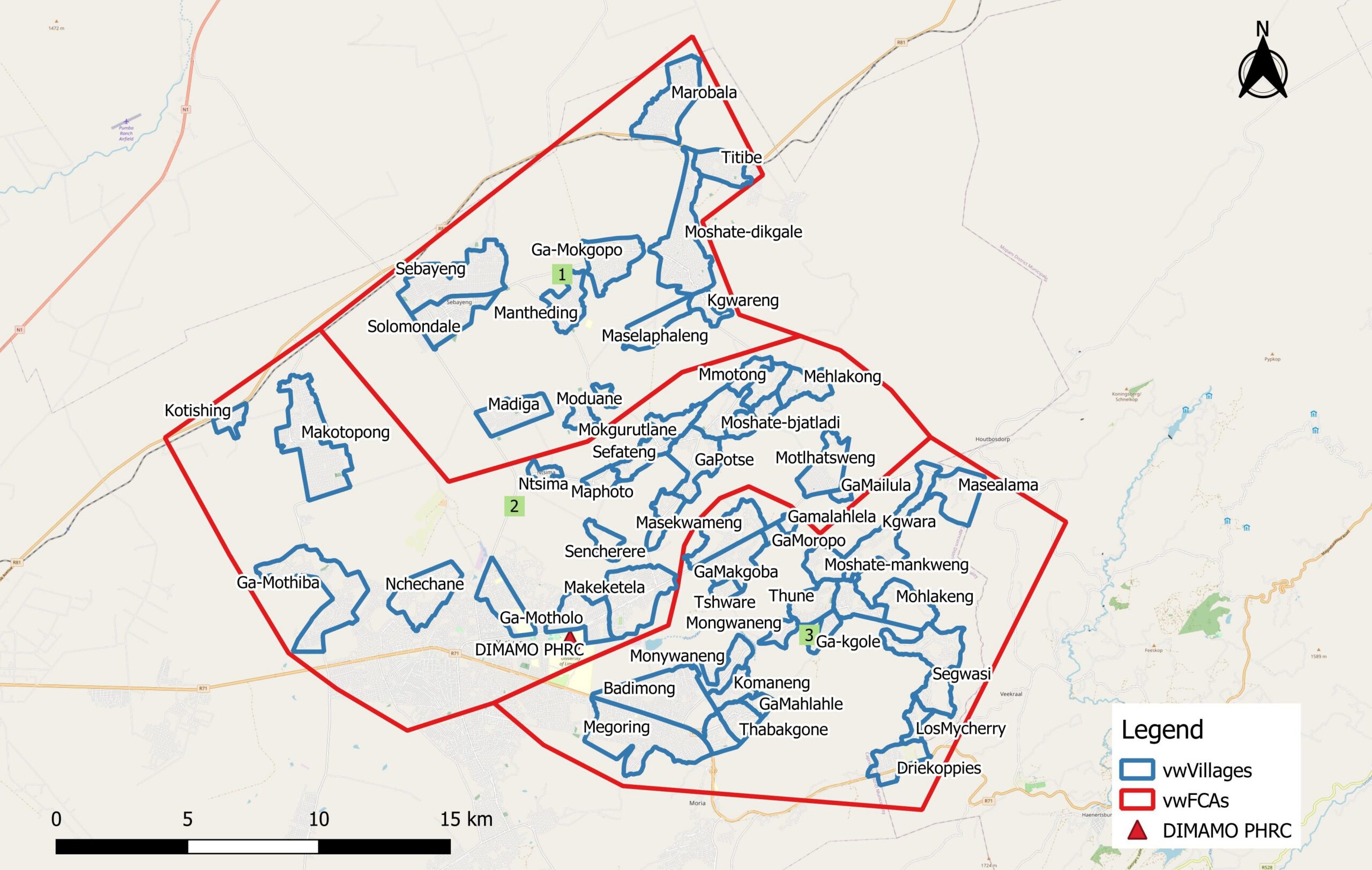
The surveillance area consists of multiple rural villages characterised by dispersed settlements, varying levels of infrastructure development, and limited access to some public services. Livelihoods in the area are largely shaped by subsistence agriculture, informal employment, and labour migration to urban centres. As a result, the population experiences dynamic demographic changes, including frequent migration and shifting household compositions.
Health challenges within the DIMAMO surveillance area reflect the broader epidemiological transition occurring in South Africa. Communities continue to face the burden of infectious diseases such as HIV and tuberculosis while simultaneously experiencing a growing prevalence of non-communicable diseases, including hypertension, diabetes, and cardiovascular conditions. These overlapping health burdens create complex healthcare needs that require evidence-based interventions and responsive health systems.
The DIMAMO surveillance area serves as a vital platform for understanding population health dynamics in rural South Africa and for supporting research that can lead to improved health policies, strengthened healthcare systems, and healthier communities.